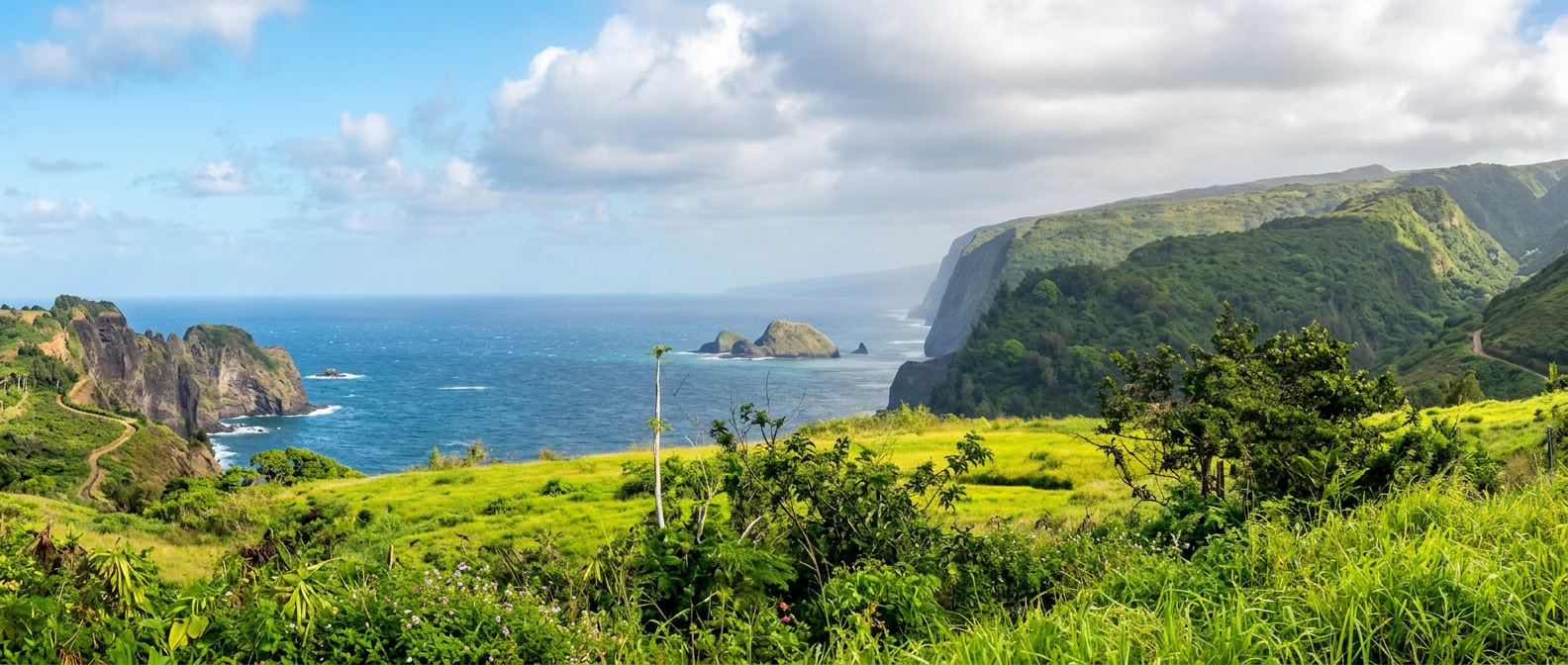
Hāmākua coastline of North Kohala — sea cliffs, ocean, and pristine green pasture. This is Hawai‘i.
Rooted in Hawai‘i · Carbon Negative

Living soil,
aloha ‘āina.

We turn Hawai‘i's invasive biomass into premium biochar — restoring island soils, conserving water, and sequestering carbon for generations.

3 tons
CO₂ stored / ton
Water retention
100%
Made on-island
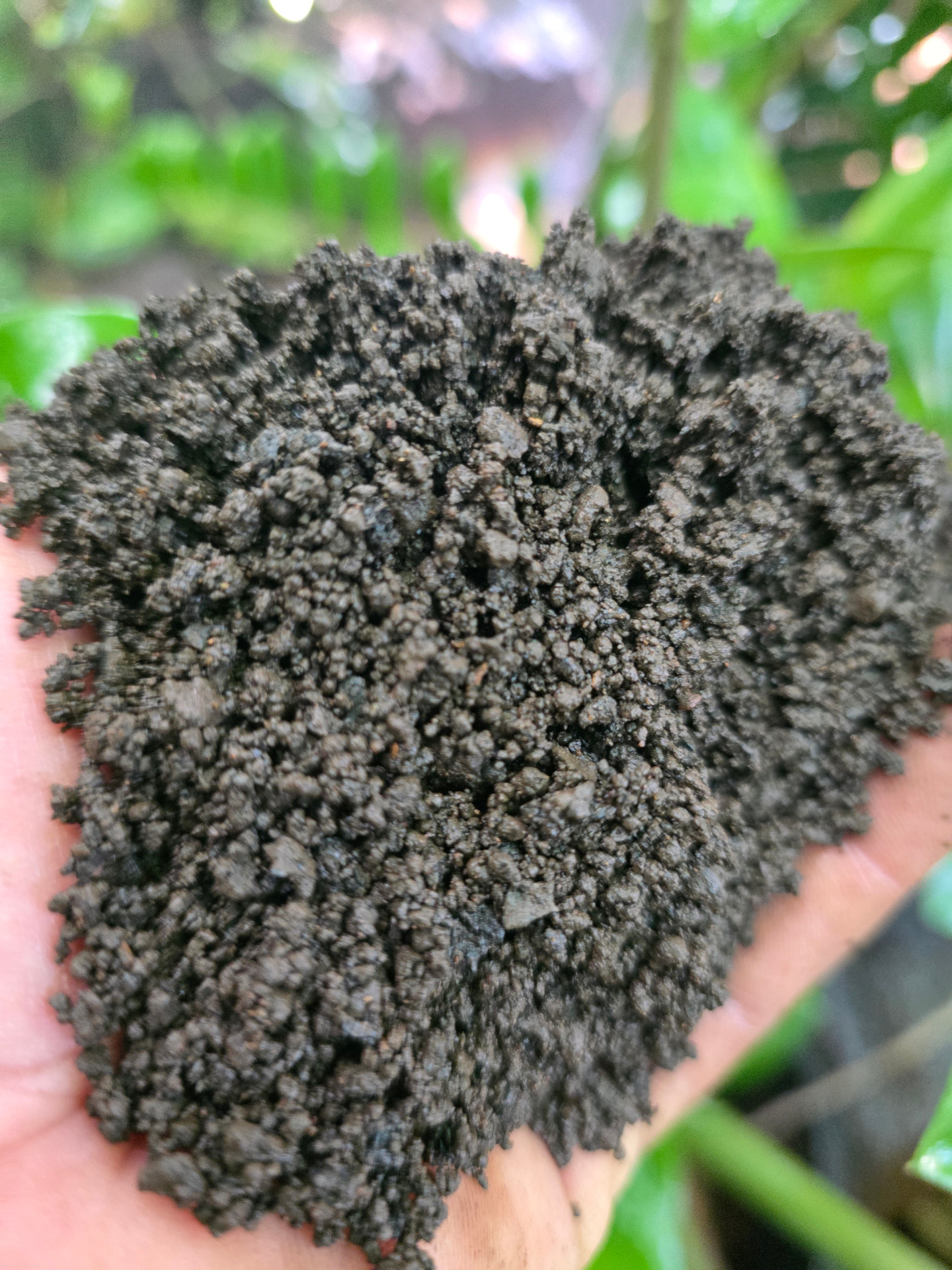
Hands cradling rich biochar-amended soil with new sprouts
Our Mission

Rebuilding indigenous soil, island by island.

Our mission is to deploy high-carbon-content biochar and restore the indigenous soil structure of Hawai‘i's agricultural complex — combating 100 years of plantation monocrops, chemical farming, and poor practices that have stripped our soils of nutrients and microbial life.

This is our time, our opportunity — to lead a statewide soil health initiative, deploy biochar at scale, and sequester carbon deep in the living soil of our islands.

Why Biochar

Built for island agriculture.

From upcountry Maui to Hāmākua coffee farms, biochar adapts to what each field needs.

Healthier Soil

Boosts microbial life and nutrient retention so crops thrive in volcanic and depleted soils alike.

Water Retention

Holds up to 6× its weight in water — critical for Hawai‘i's leeward and drought-prone regions.

Carbon Negative

Each ton of biochar locks ~3 tons of CO₂ into the soil for centuries. Real, measurable drawdown.

Made in Hawai‘i

Produced on-island from invasive species and ag waste. Lower freight, stronger local economy.

Our Feedstock

Two Hawaiian feedstocks. One carbon mission.

We pair a high-density agricultural byproduct with a renewable plantation hardwood — building a resilient, carbon-smart supply chain rooted in the islands.

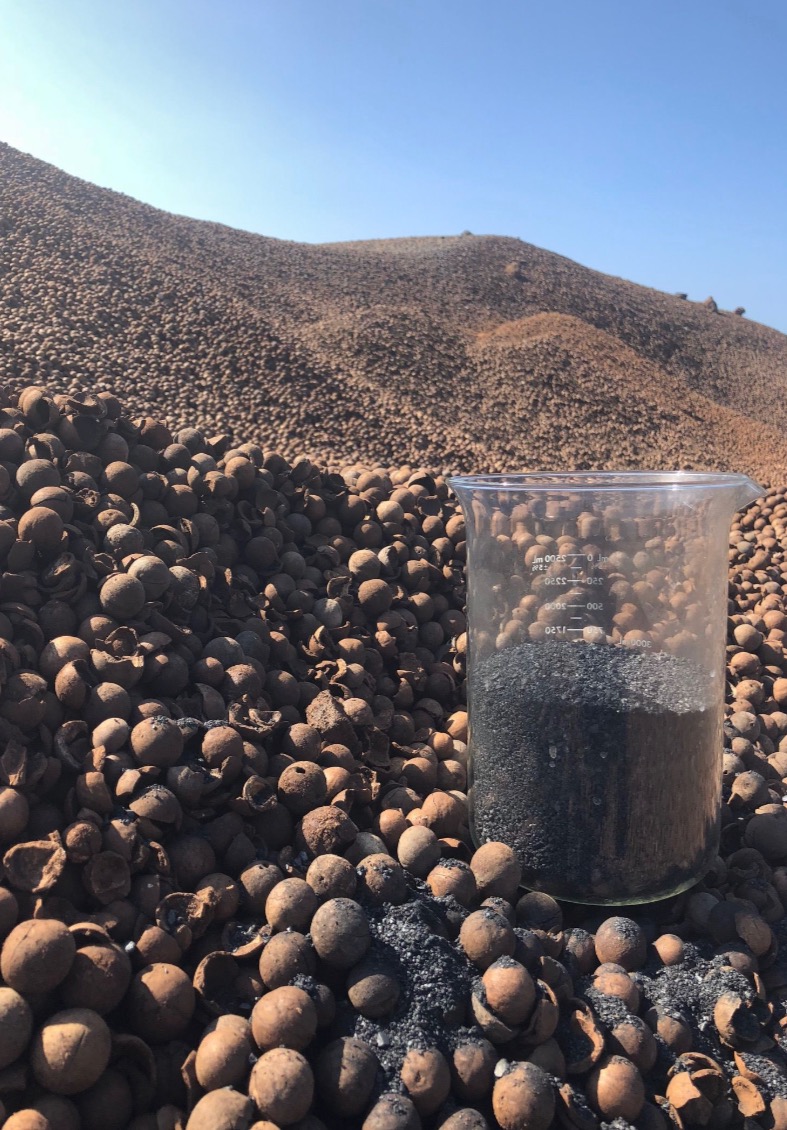
Mound of Hawaiian macadamia nut shells beside a beaker of finished high-carbon biochar
01 · Byproduct

Macadamia Nut Shells

Hawaiian macadamia nut shells — a dense, high-lignin byproduct of one of the islands' signature crops. The result is biochar with the highest fixed-carbon content available, engineered for permanence in the soil.

85%+
Fixed carbon
700°C
Pyrolysis
100%
Hawai‘i
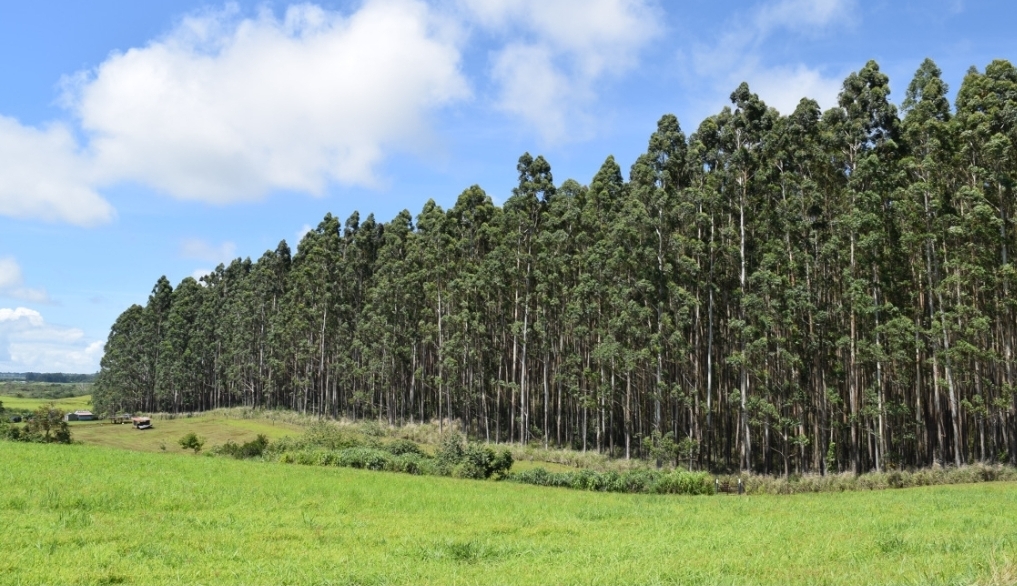
Hawaiian plantation eucalyptus grove in morning mist
02 · Renewable

Plantation Eucalyptus

We're tapping into Hawaiian plantation eucalyptus as a long-term, viable feedstock — adding another layer of carbon-smart commodities and securing a renewable, scalable supply for statewide deployment.

Long
Term supply
Renew
Plantation
Scale
Statewide
The Process

From invasive tree to living soil.

Every batch is traceable from the forest it came from to the farm it serves. Clean pyrolysis, lab-tested carbon, and farmer-first delivery.

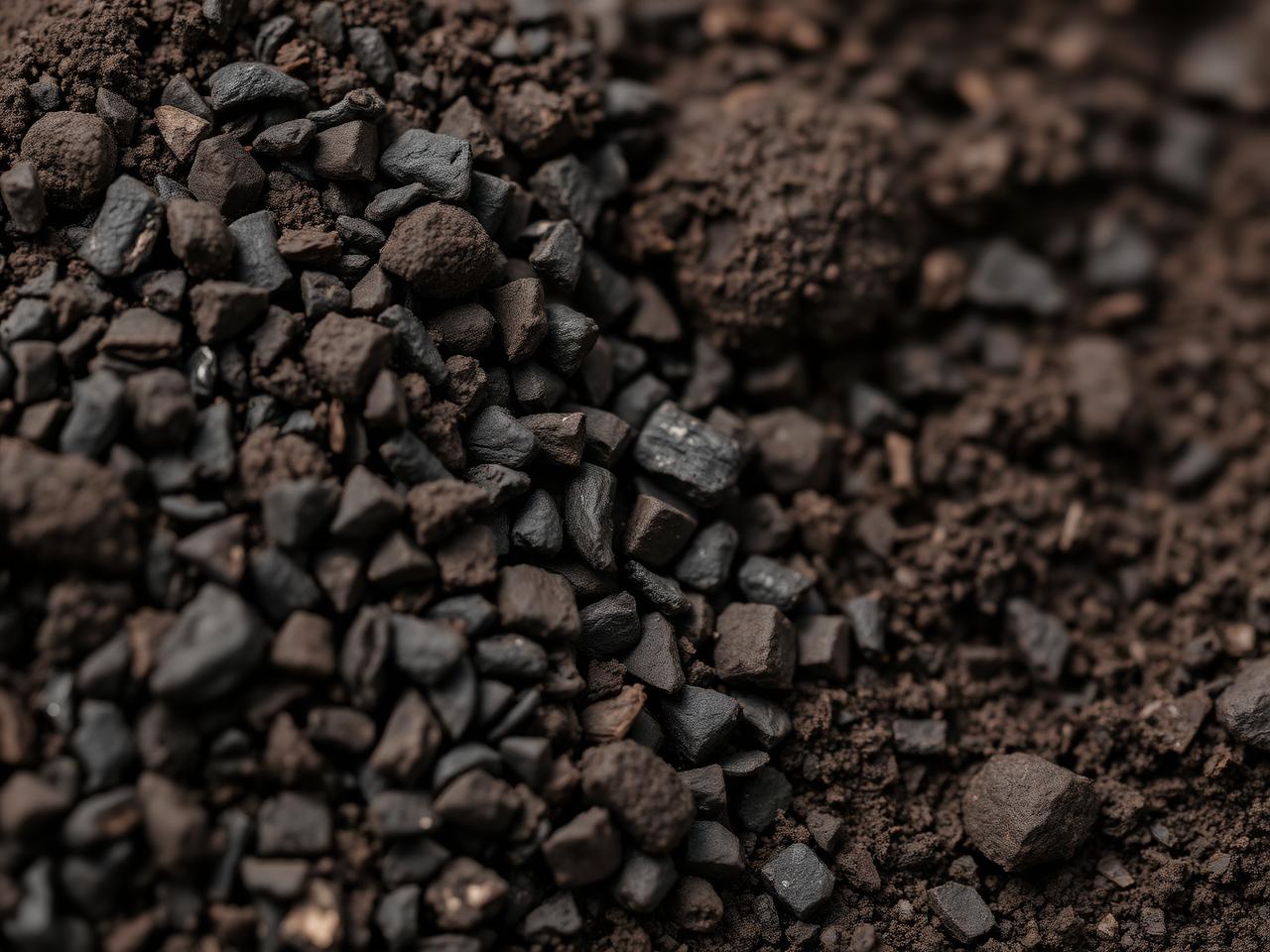
Close-up of premium biochar granules
  1. 01

    Source

    We collect invasive biomass — albizia, strawberry guava, macnut shells — that would otherwise burn or rot.

  2. 02

    Pyrolyze

    Low-oxygen kilns transform biomass into stable carbon at 500–700°C, capturing energy along the way.

  3. 03

    Activate

    Each batch is tested and inoculated, then blended for the soil and crop you grow.

  4. 04

    Apply

    Delivered statewide. We support farmers from a single bag to full-field application.

Rooted in Place

Kawaihae, Hawai‘i Island.
A native Hawaiian operation.

Our biochar facility sits on a 12-acre industrial property in Kawaihae, on the leeward coast of Hawai‘i Island — operating on land within the Department of Hawaiian Home Lands. As a native Hawaiian company, our work is grounded in deep values of conservation, stewardship, and mālama ‘āina — caring for the land that cares for us.

Kawaihae Operations

12-acre industrial site on the Big Island's leeward coast — ideal for statewide logistics by sea and road.

Native Hawaiian Owned

Operating on Department of Hawaiian Home Lands, building economic opportunity for our lāhui.

Built to Scale

Industrial-grade pyrolysis capacity engineered to serve farms across all the Hawaiian Islands.

The Facility

On the North Kohala coast.
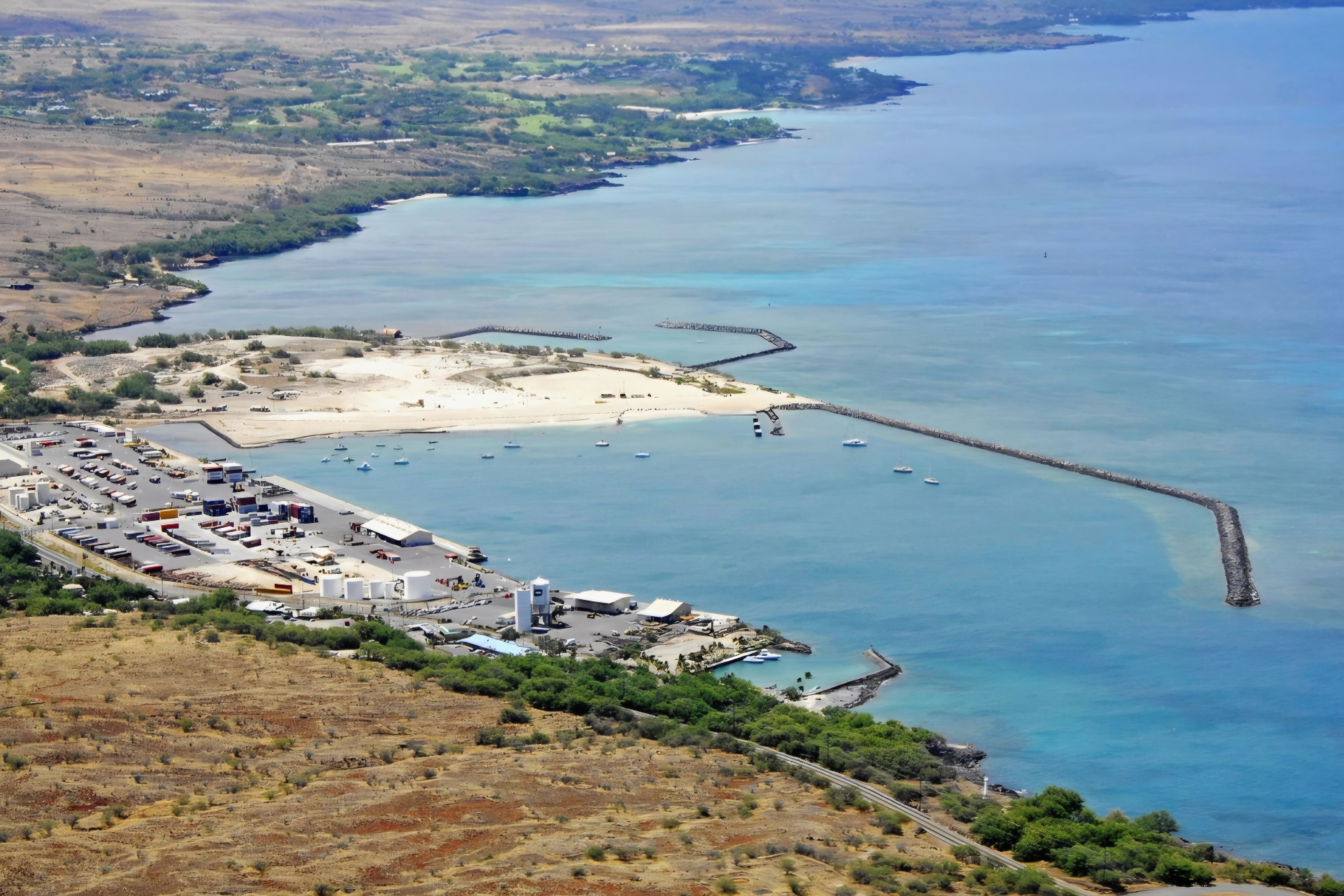
Steps from Kawaihae Harbor.

Located on the beautiful North Kohala coast, our facility is positioned next to Kawaihae Deep Draft Commercial Harbor — giving us direct access to barge logistics for deploying carbon-smart commodities across the outer islands.

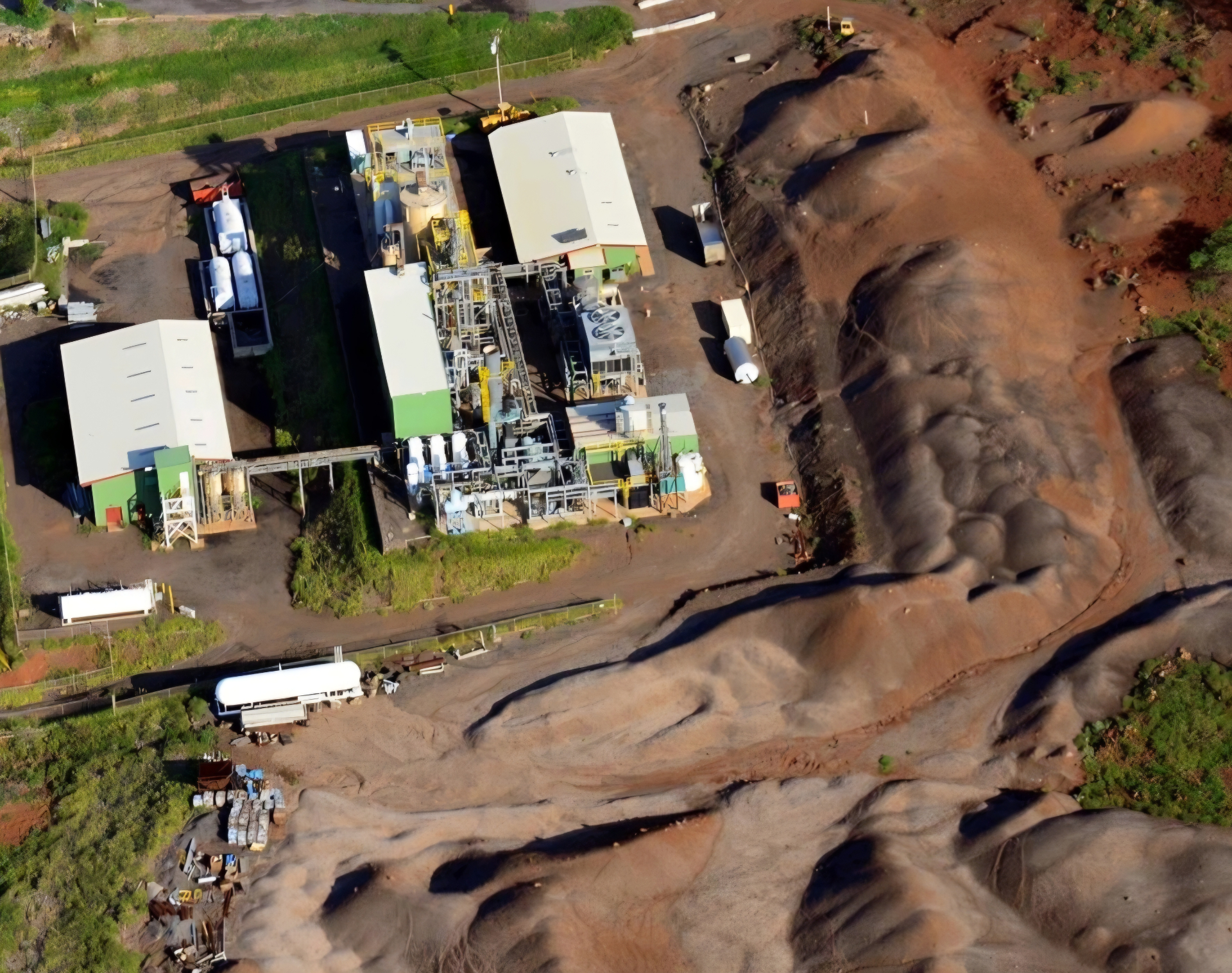
Aerial view of the AgEnergy Hawai‘i biochar facility in Kawaihae, North Kohala coast
Kawaihae, Hawai‘i Island · Industrial-scale Alstom biochar reactors on the leeward coast

Harbor-Adjacent Logistics

Direct proximity to Kawaihae Deep Draft Harbor enables efficient inter-island shipment to O‘ahu, Maui, Kaua‘i, Moloka‘i, and Lāna‘i.

Alstom Biochar Reactors

Built with the finest materials and manufacturing — engineered to deliver consistent, high-carbon-content biochar at industrial scale.

Macnut Pyrolysis Oils

Our co-product macadamia nut shell pyrolysis oils further support our net-negative import substitution platform.

Net-Negative Platform

Every ton produced displaces imported soil amendments and fossil-derived fuels — keeping carbon, capital, and capability in the islands.

Plant Operations

Inside the facility.
Where land meets industry.

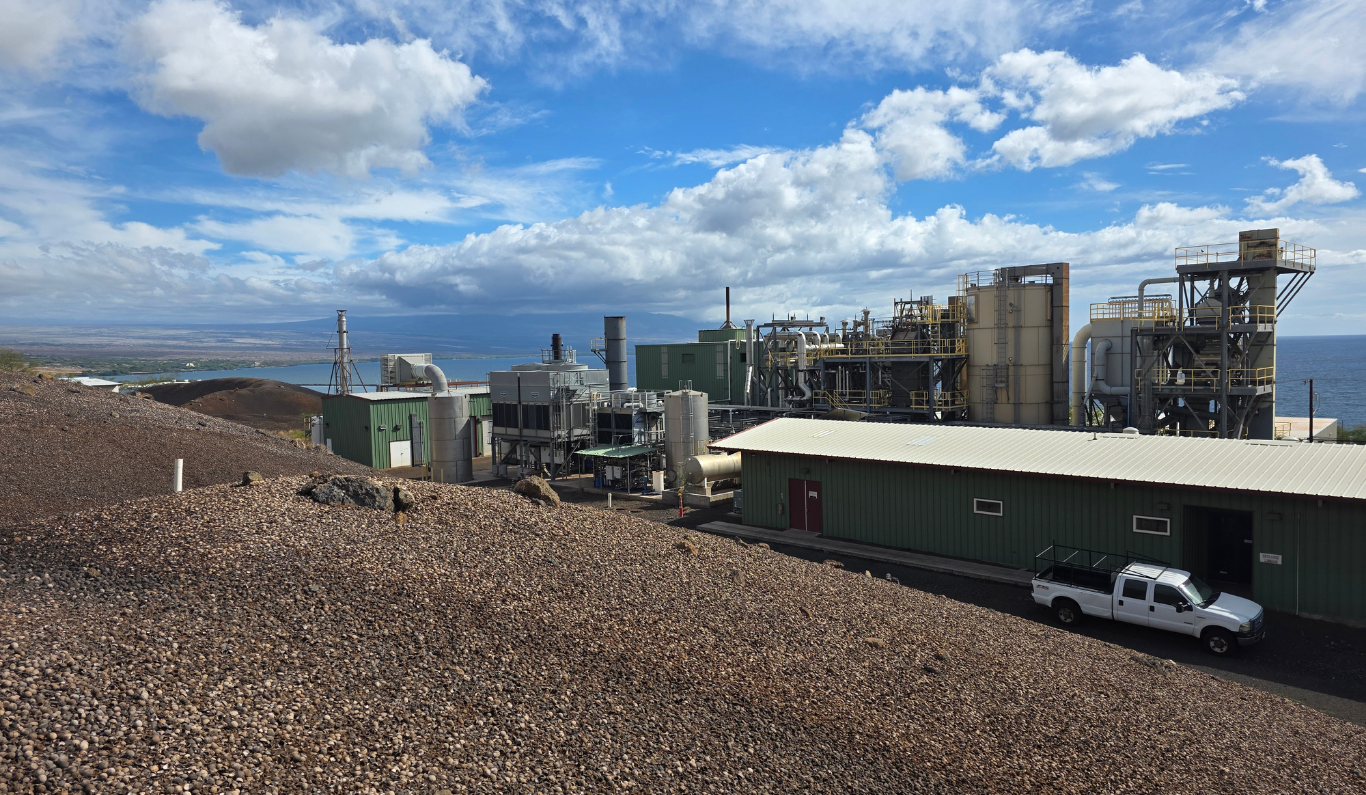
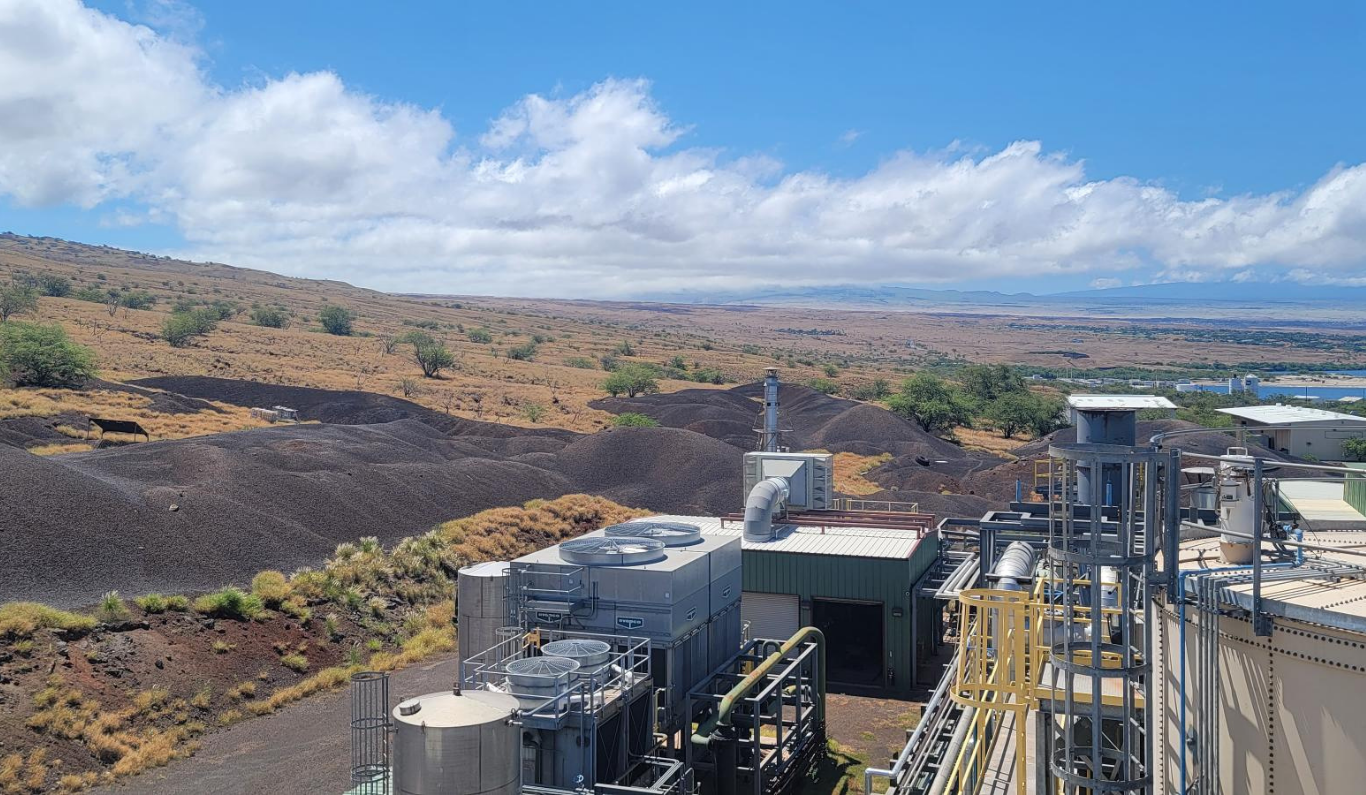
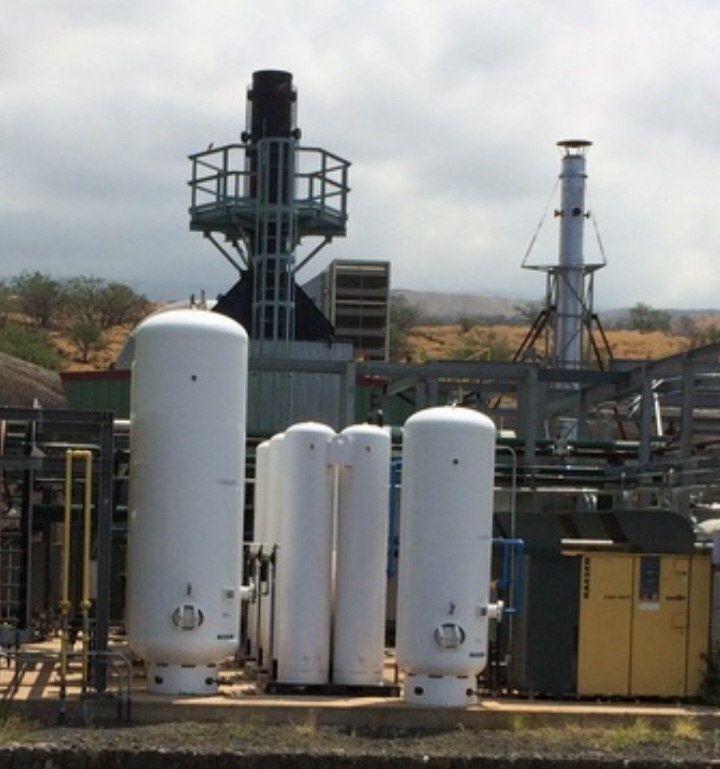
A closer look at our Kawaihae operations — reactors, pyrolysis stacks, and storage vessels set against the leeward coast of Hawai‘i Island.

AgEnergy Hawai‘i biochar plant overlooking the Kawaihae coastline with reactors, stacks, and storage tanks
Coastal vantage · The plant set between the leeward slopes and the Pacific
Mauka view from the AgEnergy Hawai‘i facility showing pyrolysis stacks, cooling units, and the open Kohala landscape stretching toward Mauna Kea
Mauka view · Looking inland across Kohala toward the saddle
Pressure vessels and pyrolysis flare stacks at the AgEnergy Hawai‘i biochar facility in Kawaihae
Storage & flare stacks · Pressure vessels supporting the pyrolysis platform

Photographs by Keoni Ford.

Our Philosophy

Carbon Kuleana.
A responsibility we carry together.

We've taken decarbonization seriously — but for us, it's about people and place. Caring for the land that carries us. We've coined this Carbon Kuleana — an embodiment of aloha ‘āina, stewardship, and best practices. Our collaborative effort is draped in lei aloha.

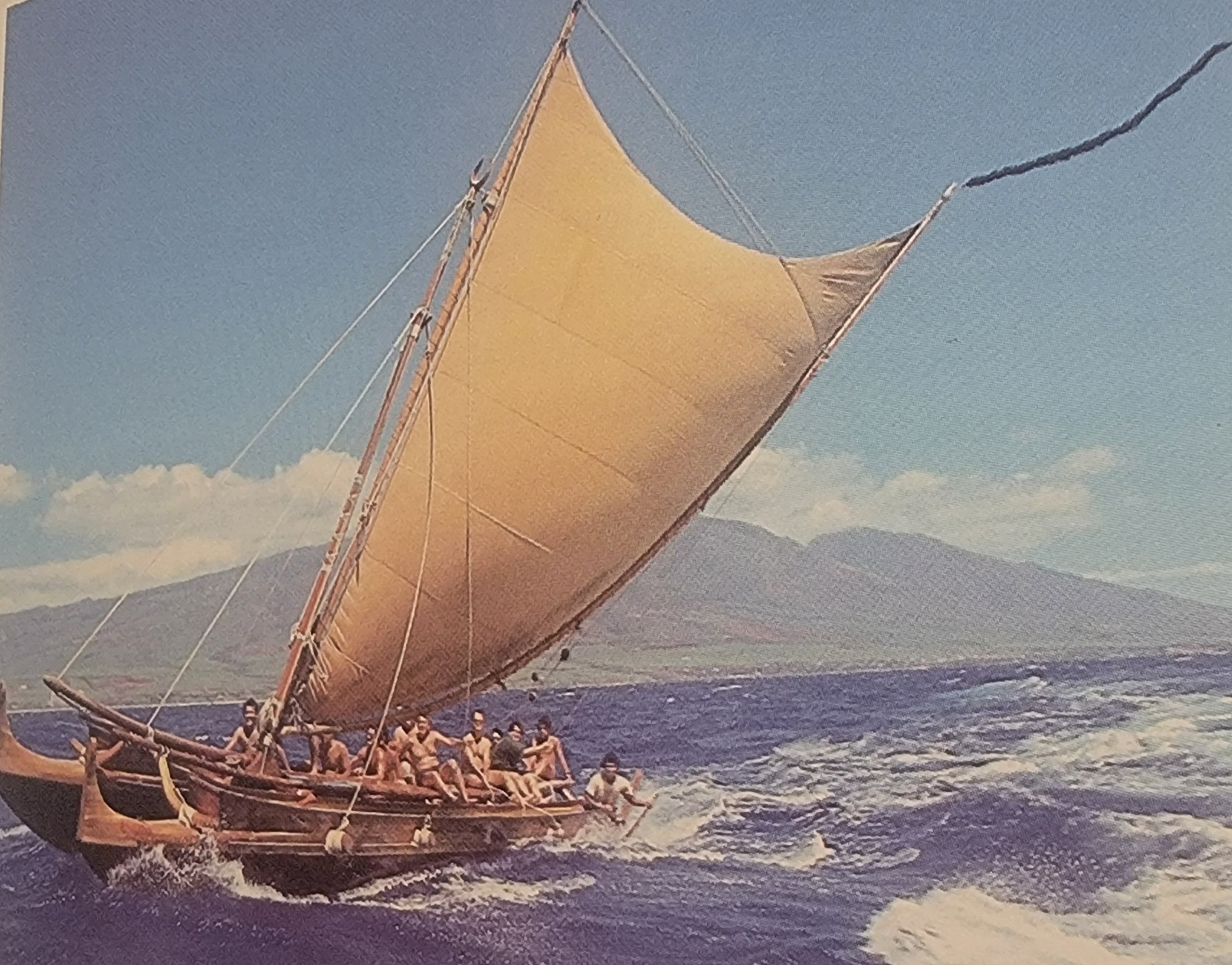
A traditional Hawaiian sailing canoe (waʻa) with crew, sail full of wind, crossing open ocean with island mountains rising in the distance
“He waʻa he moku,
he moku he waʻa.”

The canoe is an island, the island is a canoe — what sustains one sustains the other. We sail together, or not at all.

Kuleana in motion
On the ʻāina

"Aloha ʻāina is not a slogan — it's a daily practice."

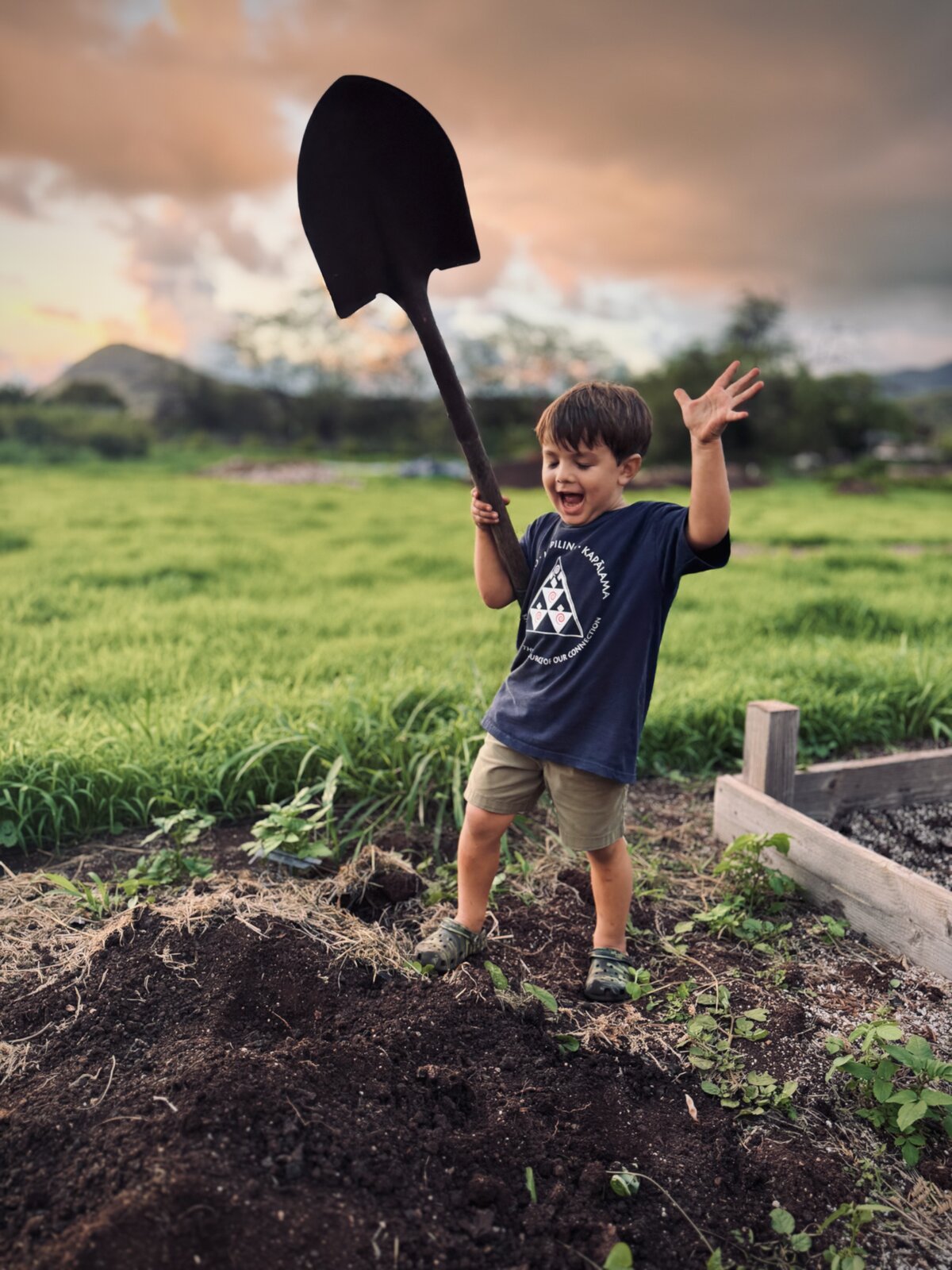
A glimpse of the work behind the words: hands, soil, and the quiet rhythm of stewardship that turns Carbon Kuleana into living practice.

Aloha ‘Āina

Love and reverence for the land. Every ton of carbon stored is an act of care for generations not yet here.

Lei Aloha

Woven together — farmers, kūpuna, scientists, and partners. No single strand carries the work alone.

Best Practices

Lab-tested carbon, transparent sourcing, and pyrolysis tuned for permanence. Stewardship you can measure.

Mauka to Makai

In service of the ahupuaʻa.
From mountain to sea.

AgEnergy Hawaiʻi products support the ahupuaʻa mauka to makai — protecting our precious watershed, providing fire-mitigation tools for forest management, and storing nutrients and indigenous microbial organisms for generations to come.

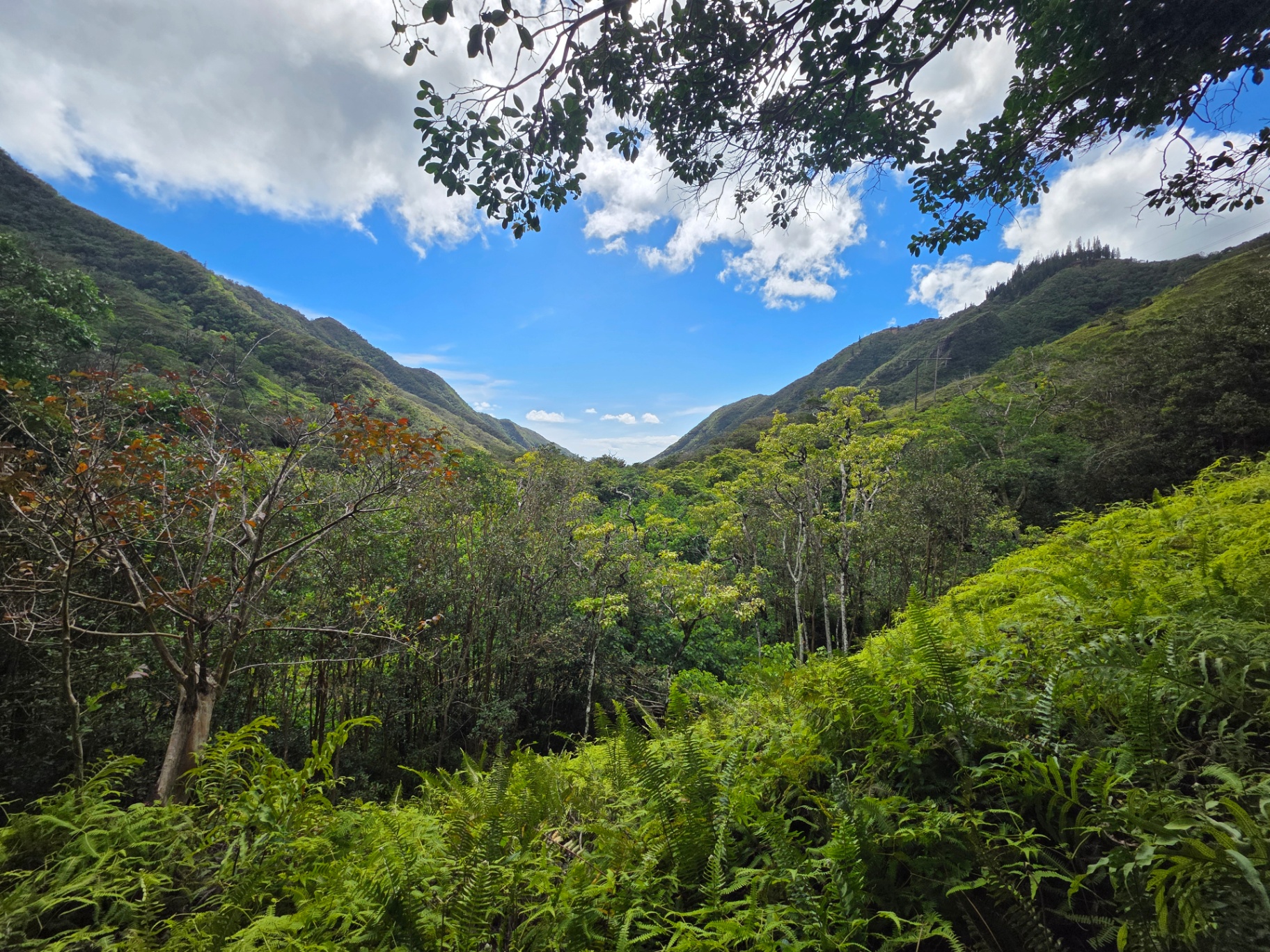
Lush mauka forest valley in Hawaiʻi — native ferns and trees rising into misted ridgelines
Mauka

Forests stewarded. Watersheds restored.

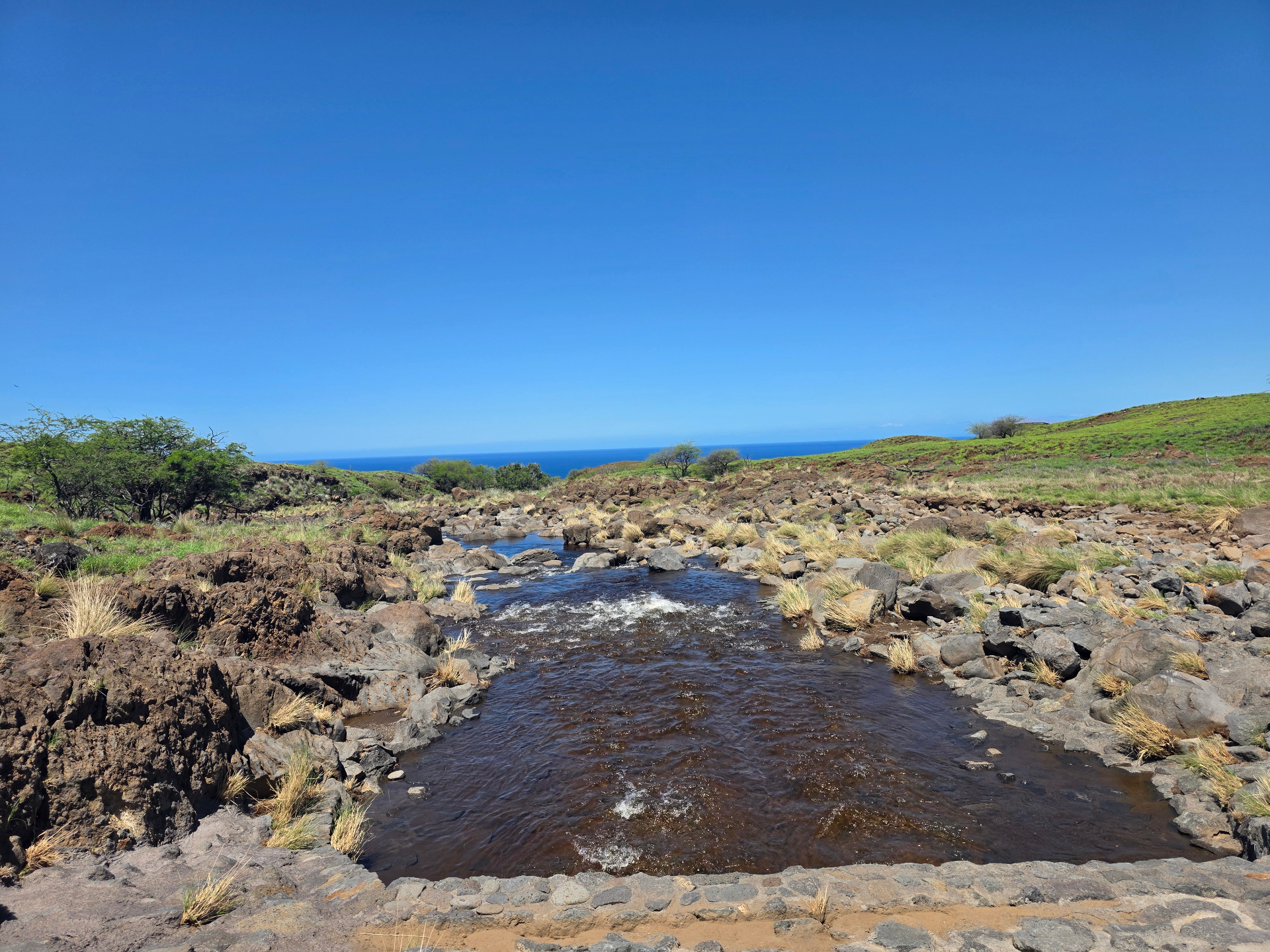
Stream flowing across lava rock toward the open ocean on the leeward Hawaiʻi Island coast
Makai

Clean water to the reef. Soils that hold the rain.

Watershed Protection

Biochar-amended soils slow runoff, filter sediment, and recharge aquifers — keeping fresh water clean from ridge to reef.

Forest Fire Mitigation

Converting fire-prone invasive biomass into stable carbon reduces fuel loads and gives forest managers a working tool against wildfire.

Living Nutrient Bank

Stores nutrients and houses indigenous microbial communities in the soil — a legacy of fertility for generations to come.

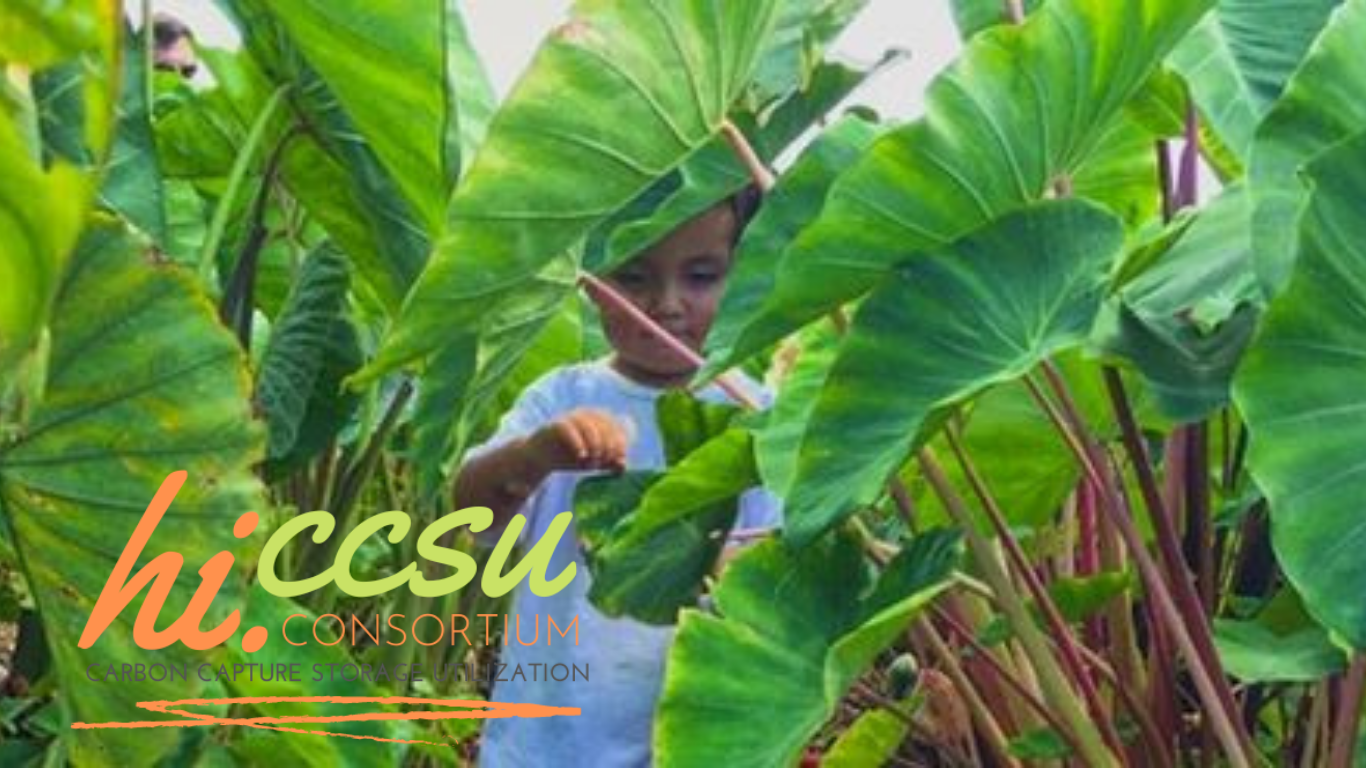
Hawaiian keiki standing among towering kalo (taro) leaves — a living symbol of intergenerational stewardship
For the next generation
He waʻa he moku — we move as one crew.
People

He waʻa he moku — we move as one crew.

Hawaiian keiki gathered around a tray of rich soil, hands in the dirt, learning the practice of mālama ʻāina
Soil Education

"We get our keiki excited about soil."

Soil is alive!
Worms are heroes.
Dirty hands, happy plants.

How soil helps plants

  1. 1
    Soil drinks the rain.

    Like a giant sponge, healthy soil holds water so plants can sip all week.

  2. 2
    Soil feeds the roots.

    Tiny bugs and microbes turn leaves and shells into plant food.

  3. 3
    Plants grow strong!

    With water and food, roots dig deep and leaves reach for the sun.

Pono Exchange

People + Place =
Pono Exchange.

Rooted in our culture, building the Hawaiian soil landscape for the next generations. Every ton of biochar we produce is an investment in the keiki who will inherit this ʻāina — and a commitment to leaving the land better than we found it.

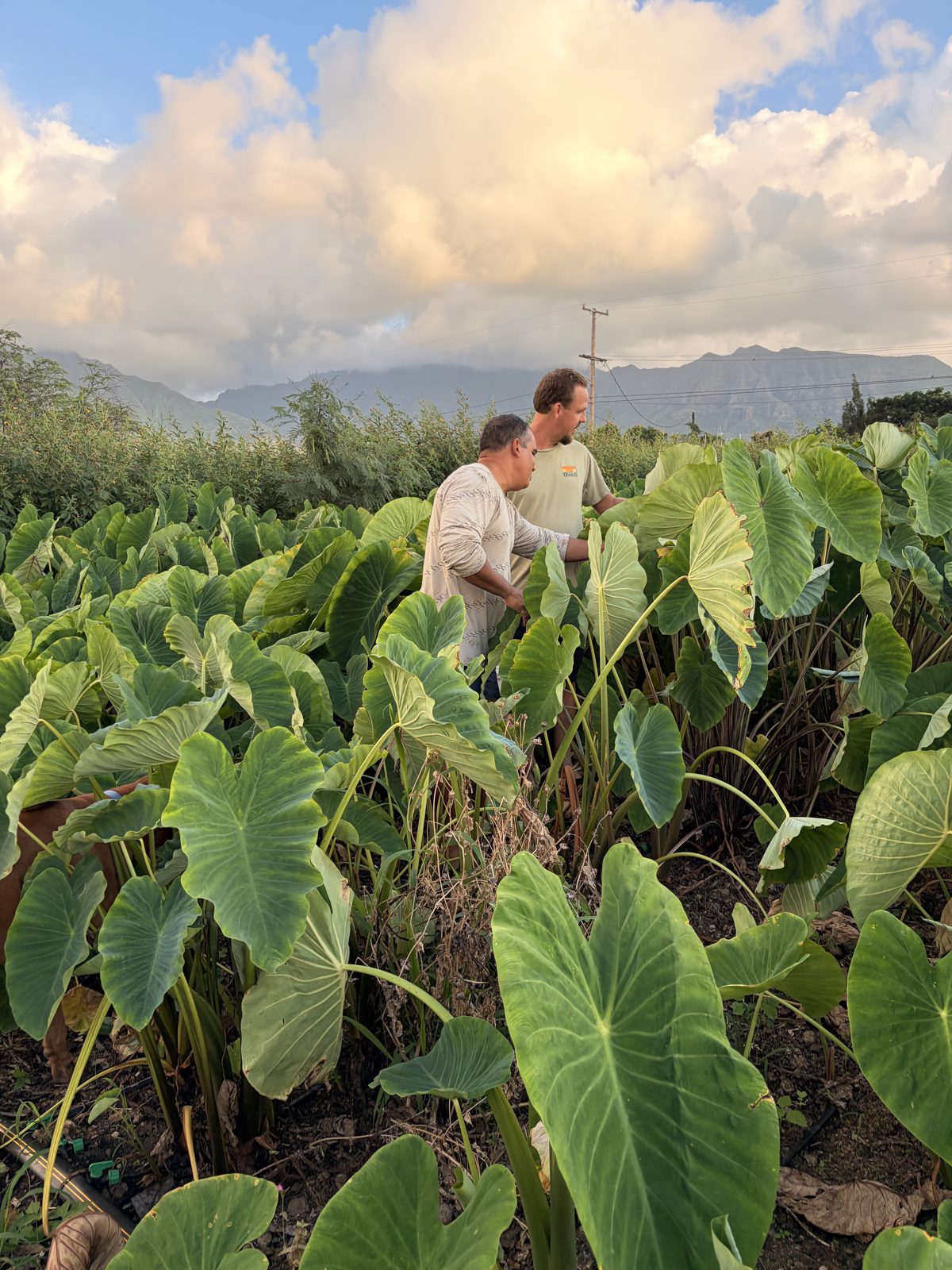
Farmers and friends together in the field during a biochar deployment, sharing the work and the moment
Biochar Deployment

"Biochar deployment builds lifetime relationships — connecting farmers and friends alike, growing gardens of change."

Consortium Partner

Proud member of the Hawaiʻi Carbon Capture, Storage & Utilization Consortium

AgEnergy Hawaiʻi stands shoulder-to-shoulder with HiCCSU partners — collaborating across science, industry, and community to deliver real, measurable carbon drawdown for the Hawaiian Islands.

Aloha ‘Āina

Come meet our team.

Deep roots in the community and Hawaiian institutional support. Led by Keoni Ford, the AGH leadership team — through HI-CCSU consortium partners, including founding member DIBSHAWAII, Hui Ho‘olako Hawaiian Initiatives, Ho‘oulu Holdings, the L.E.I. Foundation, Friends of Waimānalo, Ohana Hui Ventures, and Naer Inc. — has secured strong backing from the State Legislature and Governor's office to advance decarbonization (Hawaii Act 198 SB2865).

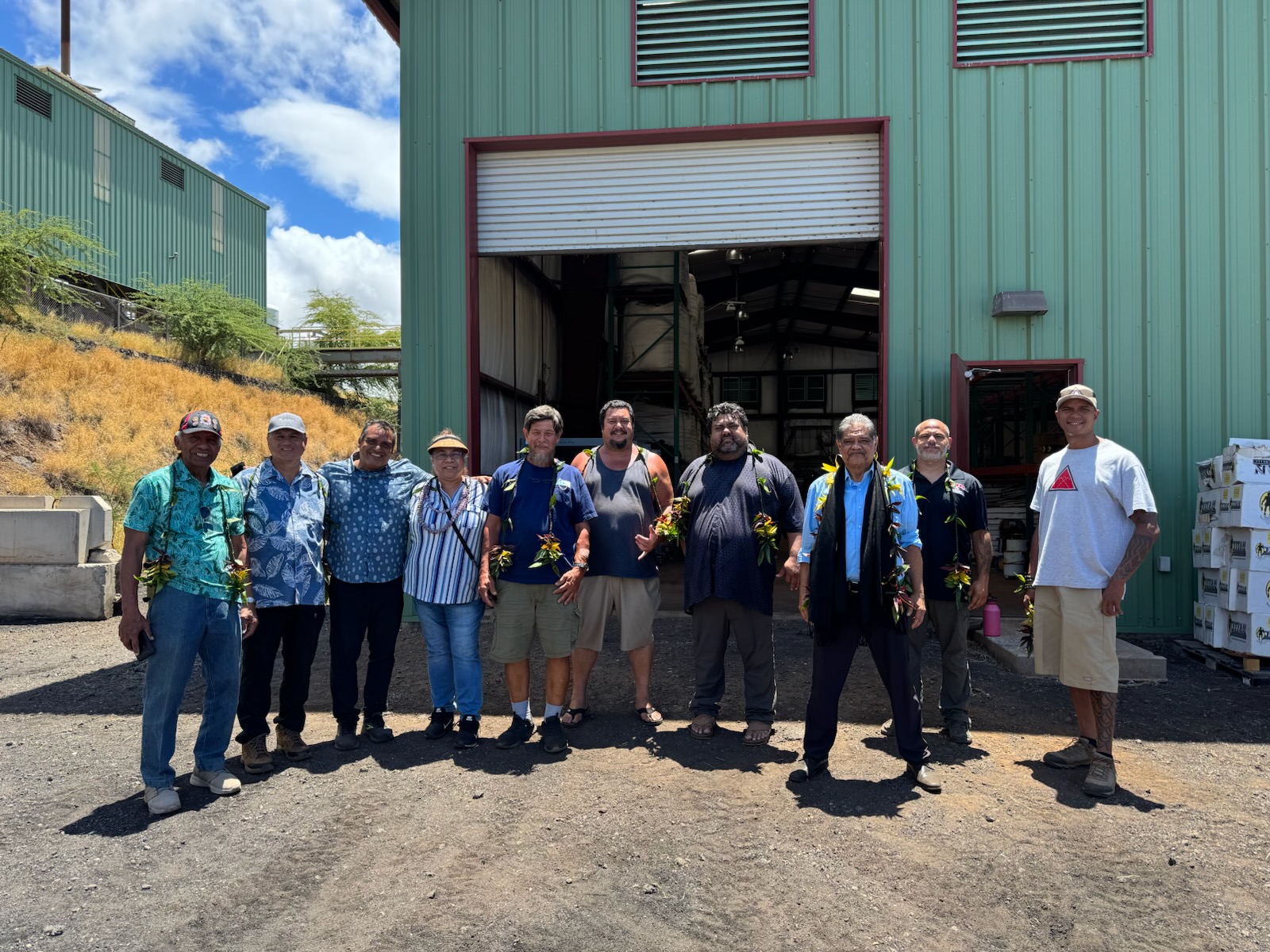
AGH team and community partners gathered at the Kawaihae plant, wearing lei
The AGH ‘ohana and community partners at the Kawaihae facility.

Keoni Ford

President

Sets strategic direction and leads resource planning. Primary interface with large biochar customers, community stakeholders, and government partners advancing long-term policy.

Pomai Freitas

Director of Operations

Runs the day-to-day plant — workforce training, safety protocols, and supplier relationships that keep raw materials and production inputs flowing reliably.

Alika Watts

Director of Technology

Evaluates new product development — hydrogen power-to-fuel, liquid CO₂, nitrogen, and biochar oil byproducts — with market consultants and labs to size returns.

Sharlette Poe

Director of Community Strategies

Builds awareness of benefits to ‘āina (land, air, water, people) and co-creates economic, educational, and career-pathway initiatives that honor community values.

Rochelle Mata

Director of Finance & Administration

Leads financial reporting, treasury, tax strategy, payroll, and HR. Keeps QuickBooks, reconciliation, and day-to-day office operations running smoothly.

Sidney Higa

Director of Marketing & IT

Maintains plant computer systems and IT communications, converts commercial farming engagement into purchase orders, and supports the online consumer rollout.

Want to talk story with our team? We welcome partners, farmers, and community leaders ready to grow regenerative agriculture across the islands.

Connect with us

Bring biochar to your farm.

Whether you're amending a backyard lo‘i or scaling a thousand acres, we'll help you get the right blend, delivered across the islands.

61-3260 Moluokalani St, Kamuela, HI 96743
keoni@agenergyhawaii.org
(808) 554-9247